

Getting started
Medical IDs for kids: a guide for parents
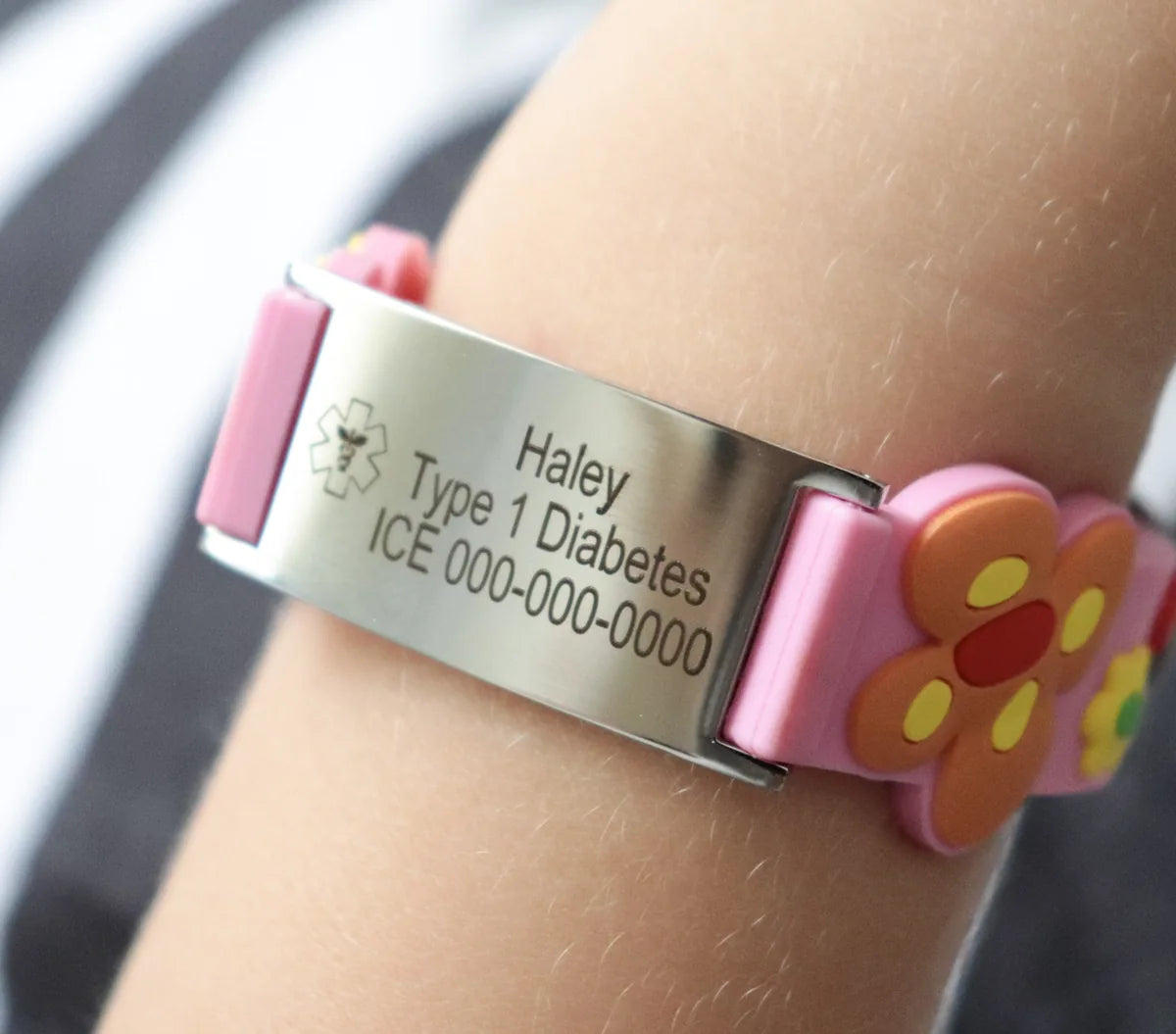
At school, practice, camp or a friend's house, your child is often with adults who don't know their health. A medical ID tells them what to do, and how to reach you, in seconds.
The short version
- Allergies, diabetes, epilepsy, asthma and autism are the most common reasons kids wear an ID.
- Engrave the condition, what to do, and a parent's phone number.
- Choose a soft, comfortable band they can wear all day, even to sleep.
- Let your child pick the color: kids wear what they like.
Does your child need one?
Tap what is true for your child.
0 checked
Nothing checked yet. Even without a condition, an ID with a parent's number helps on trips and at big events.
1 checked
A medical ID is a good idea for your child. Teachers, coaches and responders will know what to do and how to reach you.
When a child should wear one
- Severe allergies: teachers and coaches need to know about the EpiPen.
- Type 1 diabetes: low blood sugar can look like tiredness or bad behavior.
- Epilepsy: tells adults what is happening during a seizure.
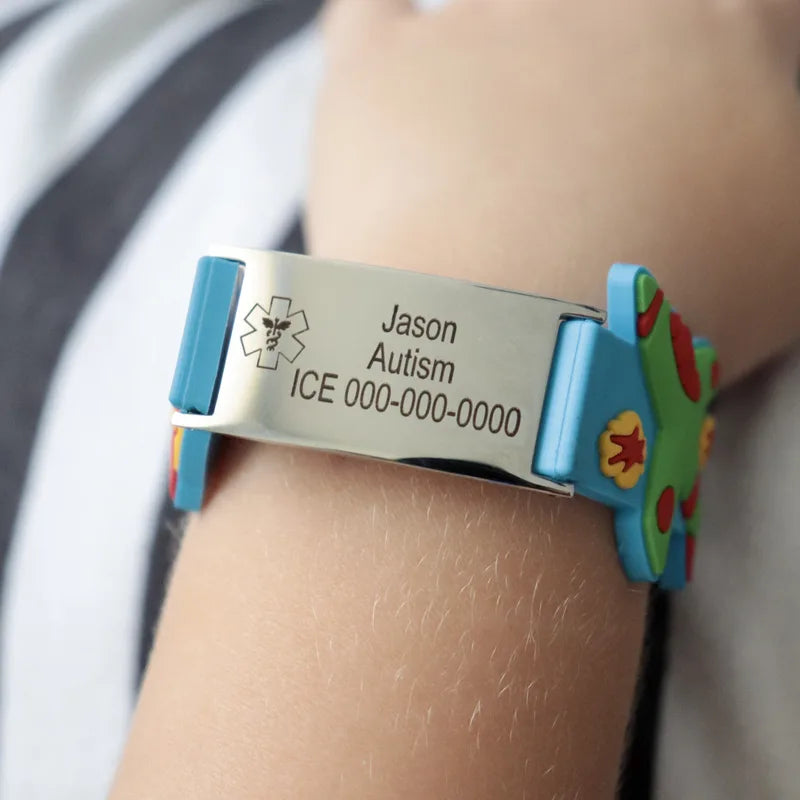
- Autism or non-verbal children: helps if they get lost or overwhelmed.
- Asthma, heart conditions, rare diseases and any medicine a sitter must know about.
Each condition has its own guide: allergies, diabetes, epilepsy and autism.
What to engrave for a child
Plain words, a clear action and a parent's number.
Choosing a piece they will keep on
- Silicone and elastic bands are soft, light and safe for play and sleep.
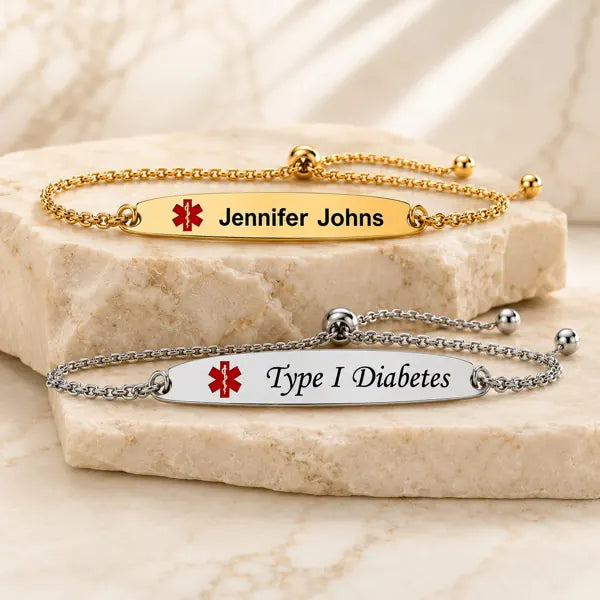
- Kids' tag bracelets look like the jewelry older kids want to wear.
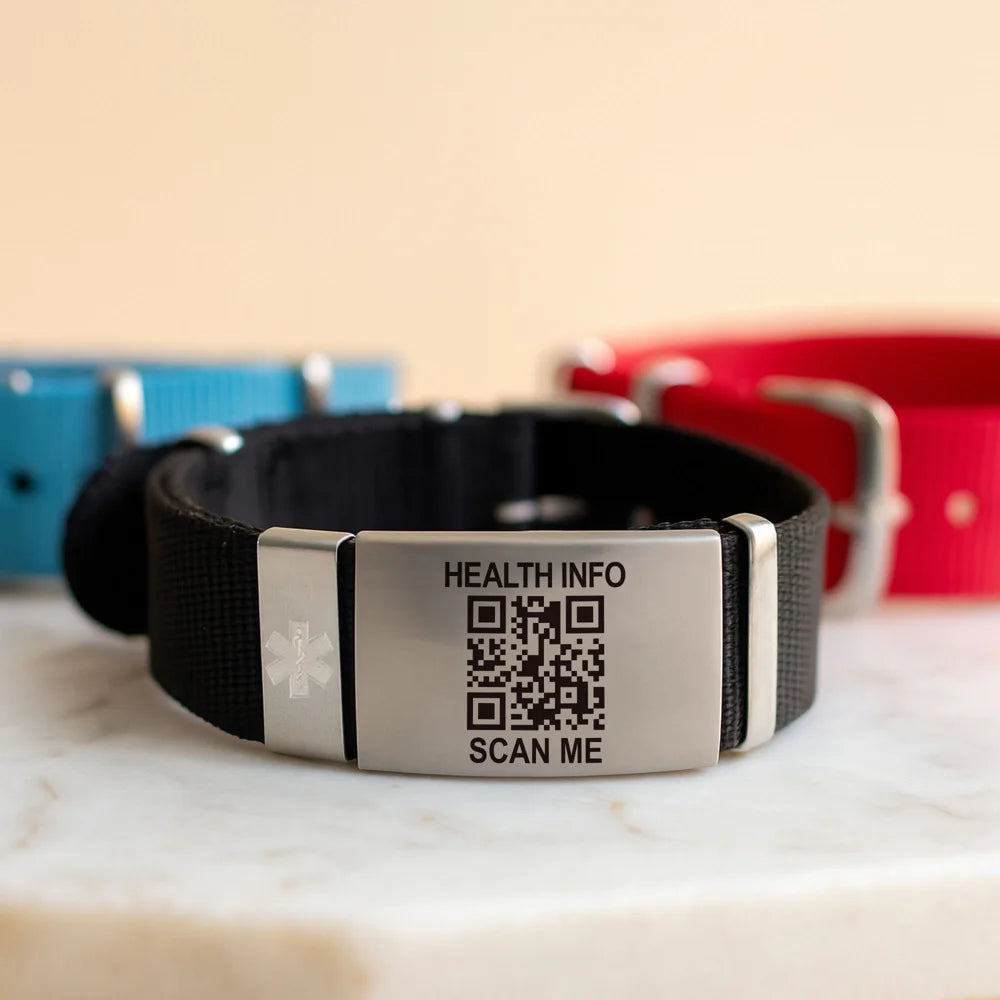
- QR bracelets hold the full plan: medicines, doctor and action plan from school.
- Measure the wrist before ordering. Our size guide has a kids' section and a printable ruler.
Growing fast? Adjustable and elastic styles last longer.
Tips for school, sports and camp
- Tell the school nurse and coach your child wears an ID and what it says.
- Add the ID to the school's emergency or allergy action plan.
- For sports, a silicone band is usually allowed when other jewelry is not; check with the coach.
- At camp, add a wallet card or QR profile with the full medication schedule.
- Practice with your child: "If you feel sick, show this to a grown-up."
Privacy tip: some parents use the first name only and a parent's phone. Responders mostly need the condition and who to call.
Questions
What age should a child start wearing a medical ID?
As soon as they are with other caregivers: daycare, school or a sitter. Soft silicone bands work for small children.
Will my child take it off?
Kids keep on what they like and what feels comfortable. Let them pick the color, choose a soft band and make it part of getting dressed.
What should I engrave if my child can't speak?
Engrave NON-VERBAL or MAY NOT RESPOND so adults understand the situation, plus your phone number.
This guide shares general information to help you plan your medical ID. It is not medical advice. Ask your doctor what is most important to show for your condition.


Questions about your engraving?
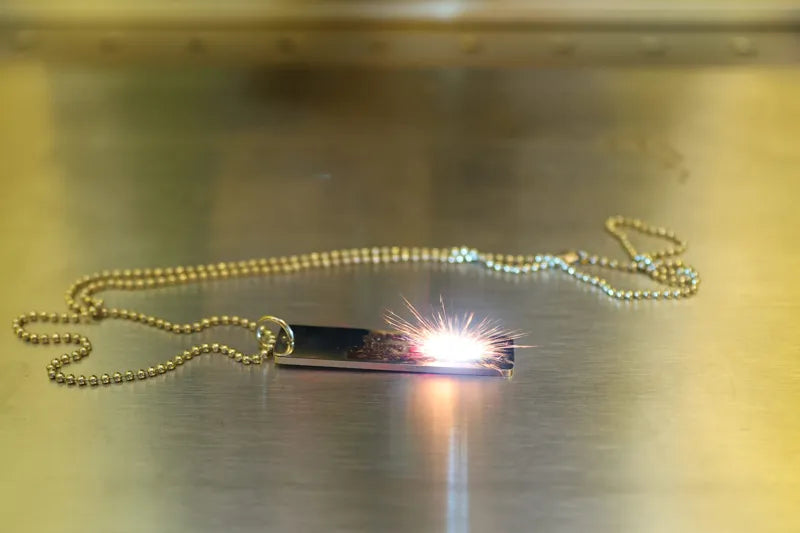
Write to our studio. A real person reads every message and helps you decide what fits on your piece.